Flower waste disposal rules in Brunswick Park Barnet council
Posted on 20/10/2026
Flower waste disposal rules in Brunswick Park Barnet council: a practical guide for homes, florists and event waste
If you are trying to work out the flower waste disposal rules in Brunswick Park Barnet council, you are probably dealing with the everyday reality of leftover stems, wilted bouquets, broken-down arrangements, and the odd soggy pile of greenery that appears after an event or a busy week. It sounds simple, but once you factor in mixed materials, local collection rules, and the difference between garden waste and commercial floral waste, it can get confusing very quickly.
This guide breaks it down in plain English. You will learn how flower waste is usually handled, what to separate, what not to put in the wrong bin, and how to stay on the sensible side of local expectations. We will also cover common mistakes, compliance points, and a few practical options if you are a household, florist, or organiser with regular floral waste. Truth be told, it is one of those topics that only looks minor until your bin day goes sideways.
For readers who also need flowers delivered in the area, it can be helpful to understand the wider service picture too. Pages such as flower delivery in Brunswick Park N11 and local florist services show how floral supply and aftercare connect in real life, especially when you want less waste and better planning.

Contents
- Why the rules matter
- How flower waste disposal works
- Key benefits and practical advantages
- Who needs this guidance
- Step-by-step guidance
- Expert tips for better results
- Common mistakes to avoid
- Tools, resources and recommendations
- Law, compliance, standards and best practice
- Options and comparison table
- Case study or real-world example
- Practical checklist
- Conclusion
- Frequently asked questions
Why Flower waste disposal rules in Brunswick Park Barnet council Matters
Flower waste is not just "green stuff". In practice, it can include stems, leaves, seed heads, florist foam, wrapping, ribbon, cellophane, cable ties, tissue paper, pots, compostable sleeves, and sometimes food-safe water containers. That mix matters because the correct disposal method can change depending on what is attached to the flowers.
In Brunswick Park, as in the rest of Barnet, residents and businesses are expected to follow the waste system that applies to the material type. Loose petals and stems are one thing. A bouquet still wrapped in plastic and taped shut is another. If you throw everything together, you may end up contaminating recycling, causing odours, or creating bin issues that could have been avoided with a bit of sorting.
There is also the practical side. Flower waste gets heavy when it is wet. On a damp London morning, a small pile of stems can become surprisingly weighty and messy by collection time. That can mean torn bags, leakages, and bins that attract flies before you have even had your coffee. Nobody needs that.
For florists, hospitality venues, event planners, and even households that receive frequent deliveries, the topic matters because waste habits affect cost, presentation, and compliance. A good waste routine saves time, keeps workspaces cleaner, and reduces the risk of using the wrong disposal stream.
Practical takeaway: treat flower waste as a mixed material first, then separate it into its parts. The flowers themselves are often simple; the packaging usually is not.
How Flower waste disposal rules in Brunswick Park Barnet council Works
Most flower waste decisions come down to one question: what exactly is the material? Once you answer that, disposal becomes much easier. Fresh flowers, dried flowers, and leaves are organic. But once they are mixed with plastic wrap, foam, metal wire, glitter, ribbon, or non-compostable packaging, they no longer belong in the same place.
In a typical household setting, flower stems and petals may be placed with garden-type organic waste if your local collection setup allows it. However, this does not automatically mean every flower-related item can go in there. The safest habit is to remove all non-organic parts first and only place clean plant matter where it belongs.
Commercial flower waste works a bit differently. A florist in Brunswick Park may generate more waste, more often, and from more types of products. That means a system is needed: one bin for organic stems, one for cardboard, another for general waste, and a separate plan for mixed presentation materials. It is not glamorous, no, but it works.
Here is the basic logic most people can follow:
- Fresh plant matter: stems, petals, leaves, blooms, cuttings.
- General waste: foil, non-compostable wrap, soaked paper towel, tape, ribbon, broken accessories.
- Recycling: clean cardboard boxes, paper packaging, some plastic packaging if accepted under the local system and uncontaminated.
- Special handling: florist foam, wires, large display waste, event breakdown materials, and any waste mixed with body fluids or other contaminated matter.
One important clarification: compostable does not always mean universally accepted. A material may look environmentally friendly but still not fit the collection system you are using. That is why checking the exact sorting logic is worth the extra minute.
If you are buying flowers regularly, thoughtful product choices can reduce waste from the start. For example, choosing arrangements from the florist choice range or gifting options that use less unnecessary packaging can make end-of-life disposal easier. Less mess, less faff.
Key Benefits and Practical Advantages
Following sensible flower waste disposal rules is not just about being "tidy". The benefits show up in very ordinary, very useful ways.
- Cleaner bins and less smell: plant waste can rot quickly if it stays damp and mixed with non-organic packaging.
- Lower contamination risk: separating materials helps recycling and organic waste stay usable.
- Less lifting and handling hassle: sorted waste is easier to bag, store, and collect.
- Better workplace presentation: important for florists, venues, and customer-facing businesses.
- Reduced errors on collection day: you are less likely to have a rejected bag or an overfilled bin.
- More efficient purchasing: better disposal habits often lead to better buying habits, too.
There is a subtle business benefit as well. Customers notice when a florist or event space feels organised. The back-of-house bits matter more than people admit. A neat processing area with clear waste streams tells you a lot about the operation. It is one of those quiet trust signals.
For businesses that offer regular floral gifting, pages like corporate accounts can be useful when planning repeat orders, reducing wasted stock, and setting up a smarter flower supply rhythm. If you order less randomly, you usually throw away less too.
Who This Is For and When It Makes Sense
This guidance is relevant to more people than you might think. Sure, a home with one bouquet a month may only need a simple routine. But once you have regular deliveries, events, or a business that handles flowers professionally, waste handling becomes a real operational task.
Households
If you receive flowers for birthdays, anniversaries, sympathy, or seasonal occasions, you will likely deal with small amounts of flower waste at different points in the week. A practical routine helps, especially when arrangements arrive with plastic sleeves, water packs, or decorative inserts.
Florists
Florists handle the widest mix of materials. Trimming stems, removing damaged blooms, and unpacking stock all create waste. If disposal is not organised, the workspace gets cluttered fast. In a shop environment, clutter can slip into poor stock rotation and customer-facing mess. Not ideal.
Event organisers
Wedding planners, corporate hosts, and venue teams may deal with large volumes after a single event. Think table arrangements, ceremony displays, petals, wiring, and display containers. Disposal needs to be planned before the event, not after the candles have gone out and everyone is tired.
Funeral and sympathy settings
Flower waste in memorial settings often includes tribute arrangements and mixed presentation materials. The handling needs to be respectful, tidy, and discreet. If you are working in that space, using dedicated tribute ranges such as funeral flowers or sympathy flowers can make planning easier because the formats are already more structured.
When does it make sense to create a formal disposal routine? Honestly, as soon as your flower waste is no longer occasional. If you are pausing to wonder whether the bin is for petals, paper, or plastic every week, that is your cue.
Step-by-Step Guidance
Here is a practical way to handle flower waste without overthinking it.
- Separate the flower material from the packaging.
Take off plastic sleeves, ribbons, cellophane, ties, stickers, foam, and any decorative inserts. - Sort organic from non-organic waste.
Fresh stems, leaves, petals, and deadheaded blooms are generally the easiest part to identify. Keep them apart from wrappers and hard materials. - Check whether the collection stream accepts the material.
Different councils and collection setups can treat green waste differently. If you are a household, follow the local bin guidance you already use. If you are a business, do not assume the same route applies. - Drain excess water.
Flowers and wet foliage can drip in bags. Let them drain for a few minutes before bagging. Small step, big difference. - Break down bulky arrangements.
Large wreaths, baskets, and tribute pieces should be dismantled where possible so the components can go into the right place. - Bag or bin according to material type.
Use the correct bin and avoid overfilling. Loose waste is easier to manage than a compacted, wet lump that smells faintly of yesterday. - Wipe down the area after disposal.
Especially in florists and venues. A quick clean stops sap, water, and leaf fragments from building up.
If you are disposing of tribute flowers, the same logic applies, but with extra care. Some arrangements are denser and contain multiple materials. Dedicated tribute products, like those in the tributes collection, may include wiring, bases, or floral foam, so they need a slightly more deliberate breakdown.
And yes, it can be a fiddly ten minutes. But that is still better than discovering a leaking bag later. Been there, regretted it.
Expert Tips for Better Results
A few habits make flower waste management much easier in the long run.
- Set up a three-bin habit: one for organic flower waste, one for recyclable packaging, one for general waste. Even in a small space, this helps.
- Buy with disposal in mind: arrangements with less mixed packaging are easier to clear down later.
- Keep scissors nearby: cutting ties and tape quickly is better than tugging and shredding packaging by hand.
- Use liners that fit properly: a badly fitted liner is a slip hazard waiting to happen. Not dramatic. Just annoying.
- Train anyone handling flowers: staff, volunteers, or family helpers should know the same sorting rules.
- Review waste after busy periods: after Valentine's Day, Mother's Day, weddings, or funerals, look at what waste is actually being produced and adjust your process.
If you work with repeat floral orders, planning the product mix helps. A bouquet that arrives in a vase can reduce immediate handling and separate out waste later. Options such as flowers in a vase can be practical in that sense, because the arrangement is more contained and the customer gets a cleaner unboxing experience.
One more thing: keep dry paper and cardboard dry. It sounds obvious, but the first splash from a water-filled wrap can ruin a whole recycling stack. Happens all the time.
Common Mistakes to Avoid
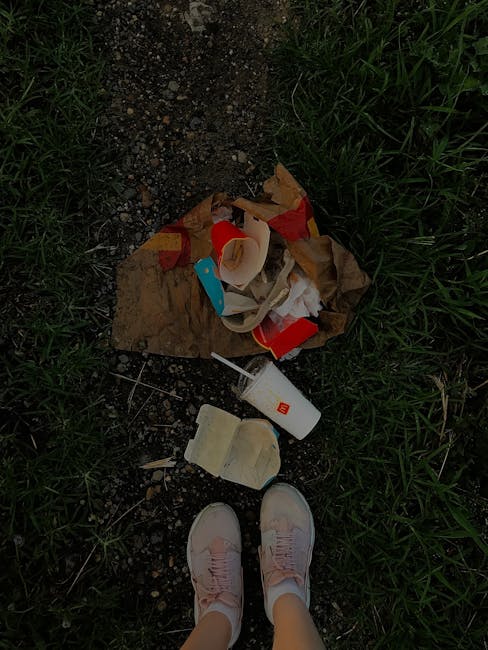
Most flower waste problems are not caused by bad intentions. They come from rushing, guessing, or mixing items because "it's all flower stuff anyway". That line causes trouble.
- Putting packaging with plant waste: foil, plastic sleeves, and tape can contaminate organic waste.
- Forgetting florist foam: it is not plant matter and should not be treated like it is compost.
- Leaving water in the container: leads to leaks, odour, and heavy bags.
- Crushing too much into one bin: this makes collection and handling harder.
- Assuming all green material is accepted everywhere: local systems vary.
- Ignoring mixed tribute items: funeral and event pieces often contain more than just flowers.
- Using damaged bags: wet stems and sharp ties can split a thin liner very easily.
There is also a subtle mistake people make after the flowers themselves have gone: they forget about the box, inserts, and wrapping. That stuff often takes longer to clear up than the blooms. Funny how that works.
Tools, Resources and Recommendations
You do not need a complicated setup to manage flower waste well. A few simple tools are enough.
- Clearly labelled bins: helps staff and family members sort waste without thinking twice.
- Sharp scissors or snips: ideal for cutting strings, ties, and stems cleanly.
- Compostable or suitable liners: only where they fit the bin system and collection rules.
- Gloves: useful for thorny stems, damp waste, or long clean-up sessions.
- Small brush and dustpan: good for stray petals, dried leaves, and bits of ribbon.
- Storage tub for packaging: handy when you are clearing several arrangements at once.
On the product side, the best "resource" is often a better purchase choice. For example, bouquets selected from best sellers or seasonal collections can be simpler to manage because they are arranged with standard presentation materials. If you are trying to reduce waste at source, that matters more than people think.
You may also find the site's sustainability information useful if you want a broader view of eco-conscious flower buying, packaging choices, and disposal-minded habits. It is always easier to prevent waste than to sort it out later. Always.
Law, Compliance, Standards, or Best Practice
For flower waste in Brunswick Park Barnet, the safest approach is to follow the waste separation expectations that apply to the type of material and the way it is collected. In the UK, waste duties are generally built around correct segregation, responsible disposal, and avoiding contamination of recycling or organic streams. That is the practical norm whether you are a household, a small florist, or a larger operator.
If your business produces flower waste regularly, best practice usually means:
- keeping organic waste separate from packaging;
- making sure staff know what goes where;
- avoiding overfilling bins or leaving wet waste to rot indoors;
- using a licensed waste route if your waste output is commercial and substantial;
- keeping records or receipts where your business process requires them.
For households, compliance is usually simpler: follow local collection rules and do not contaminate bins with the wrong materials. For businesses, the standard is a bit higher because repeated waste generation brings more responsibility. Not a huge mystery, just a bit more discipline.
Where the exact local rule is unclear, the best practice is caution. Keep flowers and green matter separate from packaging until you know which stream accepts them. That simple habit prevents the most common disposal mistakes.
If you are ordering flowers for repeat use, a stable supply arrangement can also help compliance by reducing waste spikes. Services such as regular flower delivery in Brunswick Park and thoughtful gifting ranges can help you plan volume more predictably.
Options, Methods, or Comparison Table
There is no single perfect method for every flower waste situation. The right option depends on where the waste comes from, what it is mixed with, and how much of it there is.
| Disposal option | Best for | Pros | Watch-outs |
|---|---|---|---|
| Organic/green waste stream | Clean stems, leaves, petals, and plant-only cuttings | Simple, tidy, often the most sensible route | Not suitable for packaging, foam, wire, or mixed debris |
| General waste | Foil, tape, plastic wrap, ribbon, contaminated materials | Easy fallback when material cannot be recycled | Can create more landfill waste if overused |
| Recycling | Clean cardboard, some clean paper, and accepted plastic packaging | Useful for clean presentation materials | Contamination quickly makes it unusable |
| Commercial waste contractor | Florists, venues, regular event waste, larger operations | More reliable for volume and mixed waste | Usually requires proper sorting and may involve ongoing cost |
If you are comparing methods, the real decision usually comes down to volume and contamination. A single bouquet from a birthday order is a different story from three large wedding installs and a pile of storage boxes. No competition there.
Case Study or Real-World Example
Imagine a small Brunswick Park florist after a busy Saturday. By closing time, the team has leftover rose stems, mixed bouquet wrap, a few broken ties, two cardboard delivery boxes, and a water-soaked liner from a display bucket. Nothing dramatic. Just the normal aftermath of a busy day.
Instead of tipping everything into one bag, the team separates the waste into three piles. The clean stems and leaves go into the organic waste container. The cardboard boxes are flattened and kept dry for recycling. The plastic wrap, ties, and any foam pieces go into general waste. Because the sorting is done immediately, there is no leaking bag on the floor the next morning, and no one has to fish soggy paper out of the wrong bin before the shop opens.
That is the sort of routine that sounds boring until you try not doing it. Then it becomes very interesting, very fast.
The same logic helps at weddings too. A venue team that clears table flowers, loose petals, and packaging in separate passes will usually finish faster and leave the room looking calmer. Guests may never notice the sorting. But they do notice a tidy space.
Practical Checklist
Use this quick checklist before disposing of flower waste in Brunswick Park Barnet.
- Remove all plastic sleeves, ribbon, tape, and ties.
- Separate stems, leaves, and petals from packaging.
- Check for florist foam or wire hidden in the arrangement.
- Drain excess water before bagging.
- Flatten cardboard and keep it dry.
- Put only accepted material into the correct waste stream.
- Do not overfill bins.
- Clean the work area after disposal.
- For business waste, confirm the right collection route.
- Review waste habits after busy flower periods.
Quick summary: clean plant material, separated packaging, correct bin, no guesswork. That is the whole game, really.
Conclusion
The flower waste disposal rules in Brunswick Park Barnet council are easiest to follow when you think in categories rather than in "just waste". Flowers, packaging, foam, wire, paper, and cardboard all behave differently, so the most reliable approach is to separate them before disposal and use the correct local waste stream for each one.
Whether you are clearing a single bouquet at home or managing a steady flow of floral waste in a shop or venue, a tidy system saves time, reduces mess, and lowers the risk of avoidable contamination. It also makes the whole experience feel calmer. And let's be honest, in the middle of a busy week, calm is worth a lot.
If you want to order flowers with disposal-friendly presentation in mind, or you simply need a local florist you can rely on, it helps to choose arrangements thoughtfully and keep your waste routine simple from the start. Small habits, big difference.
Get a free quote today and see how much you can save.
Sometimes the smallest bit of organisation is what keeps everything else running smoothly. That part never gets old.
Frequently Asked Questions
Can I put flower stems in my garden waste bin?
Usually, clean stems and petals can go with organic or garden-type waste if your local collection setup accepts them. The key is to keep packaging, wire, and plastic out of that bin.
What should I do with plastic flower wrap?
Plastic wrap should be separated from the flowers and placed in the correct general waste or recycling stream, depending on what the local system accepts and whether it is clean enough to recycle.
Are dried flowers disposed of the same way as fresh flowers?
Often, yes in principle, because they are still plant material. But if they are mixed with glue, glitter, ribbon, or decorative wire, those extra materials need to be removed first.
Can florist foam go in organic waste?
No, florist foam should not be treated like plant waste. It is a synthetic material and normally needs a different disposal route.
How do I dispose of flowers after a wedding or event?
Break down the arrangements into plant material, packaging, and hard mixed items. Large event waste is often best handled with a planned sorting process before anything reaches the bin.
Is there a different rule for business flower waste?
Yes, businesses usually need a more structured waste system because they produce waste regularly and in larger quantities. That may mean commercial waste handling rather than a household bin routine.
What if my bouquet has cardboard, ribbon, and cellophane all together?
Separate each part. Cardboard can often be recycled if it is clean and dry, while ribbon and cellophane are usually handled differently. Mixed waste is where problems start, so split it up first.
Do compostable wrappers count as recyclable?
Not necessarily. Compostable and recyclable are different things. A material may look eco-friendly but still need to go in a specific waste stream.
How can I reduce flower waste at home?
Choose longer-lasting arrangements, trim stems regularly, use a vase with clean water, and remove fading blooms early. A little care extends the life of the flowers and reduces waste later.
What is the best way to manage flower waste in a florist shop?
Use a simple three-stream system: plant material, recyclable packaging, and general waste. Train everyone in the shop to follow the same routine so the process stays fast and consistent.
Can I mix flower waste with food waste?
You should only do that if your collection system explicitly allows it. In most cases, keeping flower waste separate is the safer choice because of packaging, contamination, and collection differences.
Where can I find flowers that are easier to manage after delivery?
Look for arrangements with less mixed packaging or simpler presentation formats. Options such as flower delivery in Brunswick Park N11 and carefully chosen bouquets can make the clean-up part much easier.